
Ayo Rock Formation
Ayo Rock Formation Quick Facts
- The Entrance is Free
- Opening Hours 24/7 (Daylight hours recommended)
- The Parking is Free
- Vehicle Required is standard car rentals - No 4x4 needed
- Time Neede 30 to 45 Mins
- Key Highlights - Arawak (Caquetio) Petroglyphs, walking trails, panoramic views of the island
Ayo rock formations history
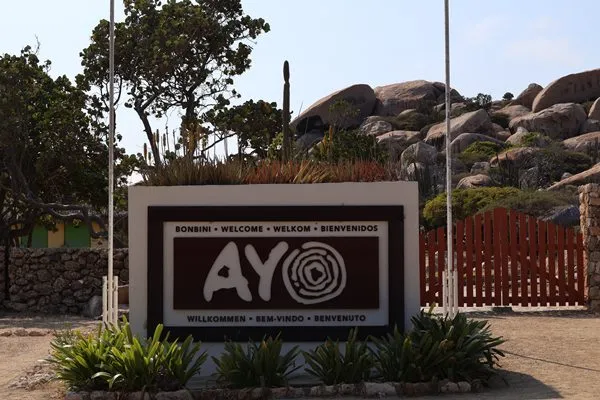
Long before Aruba became a modern island getaway, the Ayo Rock Formations served as a sacred, towering sanctuary for the island’s earliest inhabitants. Rising dramatically out of the flat desert landscape, these massive, monolithic diorite boulders were heavily utilized by the Arawak (Caquetio) people over a thousand years ago. Seeking shelter from the Caribbean sun and finding a deep spiritual connection to the earth, they left behind an incredible historical record. Today, walking through the paved trails reveals ancient Amerindian petroglyphs intricate geometric rock drawings carved into the stone faces dating back to approximately 1000 AD, offering a rare, tactile window into Aruba’s pre colonial past.
How to get to Ayo Rock Formations
Quick Navigation: Located in the north central interior of Aruba, Ayo is roughly a 15-to-20-minute drive from the high rise resort area of Palm Beach or downtown Oranjestad.
To reach the site, head inland toward the town of Santa Cruz via Route 4, following the brown road signs marked for “Ayo.” While many visitors stop by as part of a guided UTV tour, ATV excursion, or open air safari bus, the roads leading to the entrance are fully paved and easily accessible with a standard economy rental car no 4×4 required. Free parking is available directly at the main entrance.
Best time to visit Ayo Rock Formations
To beat the intense Caribbean heat, the absolute best time to visit Ayo is early in the morning, between 7:00 AM and 9:30 AM, or during the late afternoon after 4:30 PM. The site sits in a dry, desert microclimate with very little shade, making midday exploration quite draining. Visiting during the golden hours also provides the best lighting for photography, casting dramatic shadows across the monolithic boulders and illuminating the surrounding candelabra cacti.
Ayo Rock Formations entrance fee and opening hours
One of the best perks of exploring Aruba’s rugged interior is that the Ayo Rock Formations are 100% free to enter. There is no admission charge, and because the site is an open public park, there are no official opening or closing hours. You can wander through the boulders at your own pace; however, it is highly recommended to visit between sunrise and 6:00 PM to ensure you have optimal daylight to navigate the trails safely.
Ayo Rock Formations FAQ
What are some famous rock formations in Aruba?
Can you climb the Ayo Rock Formations?
Are the Ayo Rock Rock Formations Wheelchair accessible?
Go beyond the resorts. Discover Aruba like a local
Find the best things to do in Aruba here.
Copyright © 2026. All rights reserved.