
Fofoti Tree Aruba
Fofoti Tree Quick Facts
- Located near Eagle Beach (Amsterdam Manor Beach Resort)
- Free to Visit
- Best time to Visit is Sunrise or Sunset
- Growth direction is always to the southwest due to the trade winds
Fofoti Tree Aruba History
Though often mistakenly identified by visitors as the Divi-Divi (Watapana) tree, the Fofoti tree holds its own distinct and storied place in Aruba’s coastal heritage. Scientifically classified as Conocarpus erectus a resilient member of the buttonwood mangrove family the Fofoti has thrived along Aruba’s saltwater shorelines and coastal lagoons for centuries. Historically, the island’s indigenous Caquetio (Arawak) people recognized the tree’s powerful medicinal properties, utilizing its nutrient dense leaves and bark for natural remedies. The iconic, whimsical twists of its trunk are a living historical record of the environment: sculpted by decades of relentless, unchanging northeastern trade winds, the trees naturally grow in a dramatic southwesterly lean toward the sea. Today, the two world famous specimens framing the turquoise waters at Eagle Beach serve as heavily protected national symbols of Aruban resilience, strictly shielded by law from local coastal developmen.
Fofoti Tree Photos
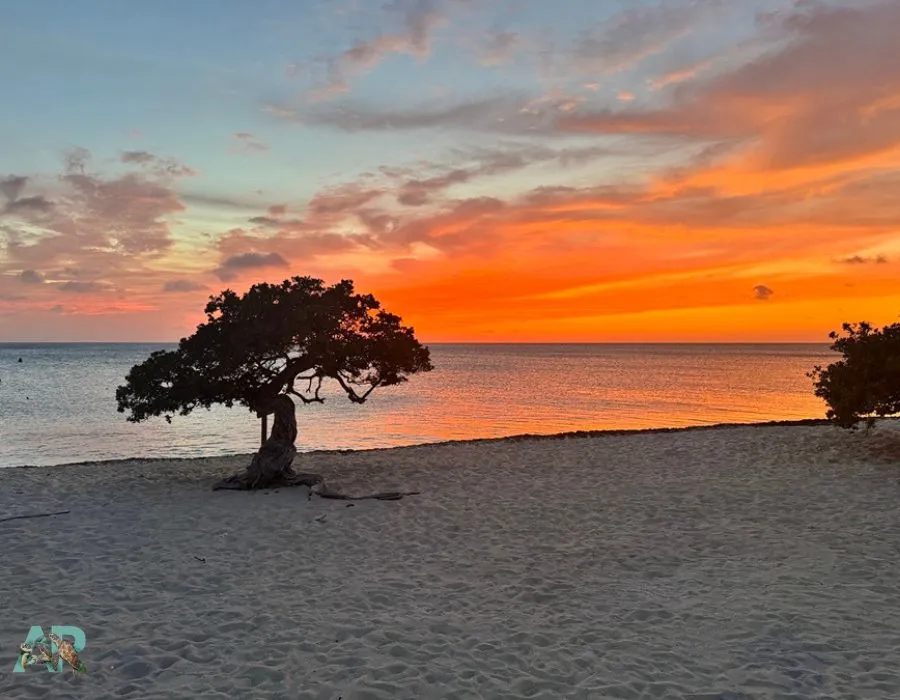
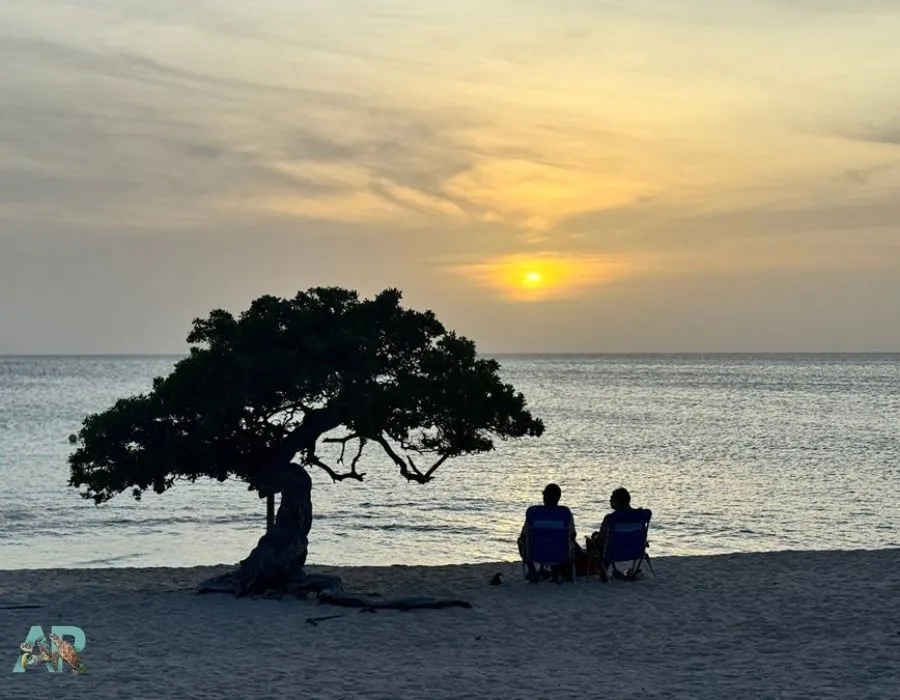
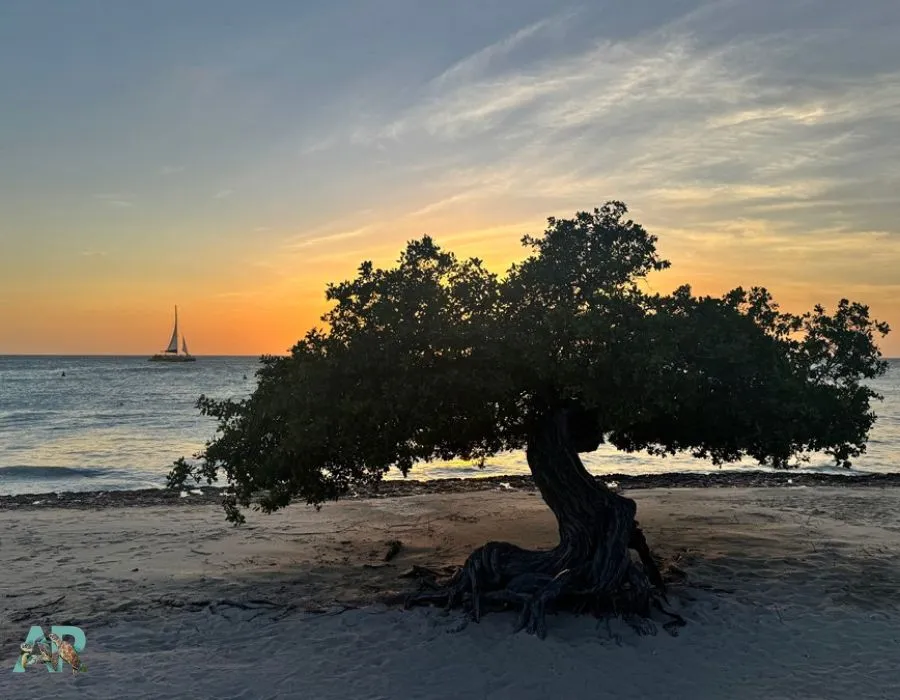
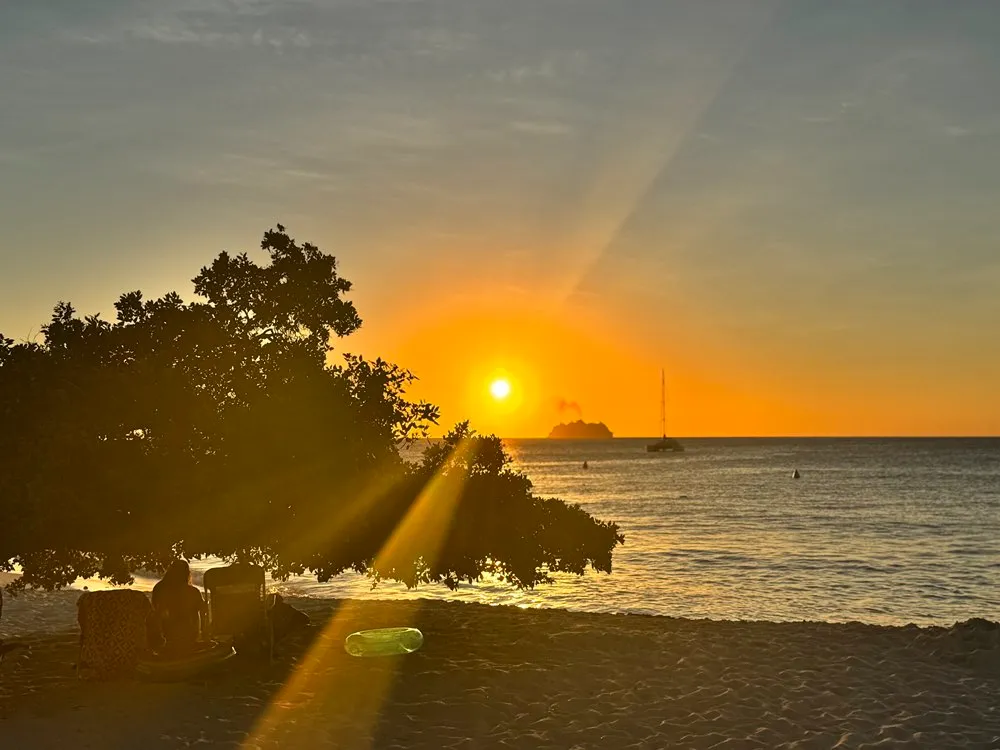
While there are a few fofoti trees, the two famous, highly photographed ones are located at the northern end of Eagle Beach, directly across from the Amsterdam Manor Beach Resort.
Fofoti Tree fAQ
What is the most famous tree in Aruba?
Why does the trees bend?
Can you touch or climb the Fofoti Tree on Eagle Beach?
Go beyond the resorts. Discover Aruba like a local
Find the best things to do in Aruba here.
Copyright © 2026. All rights reserved.